
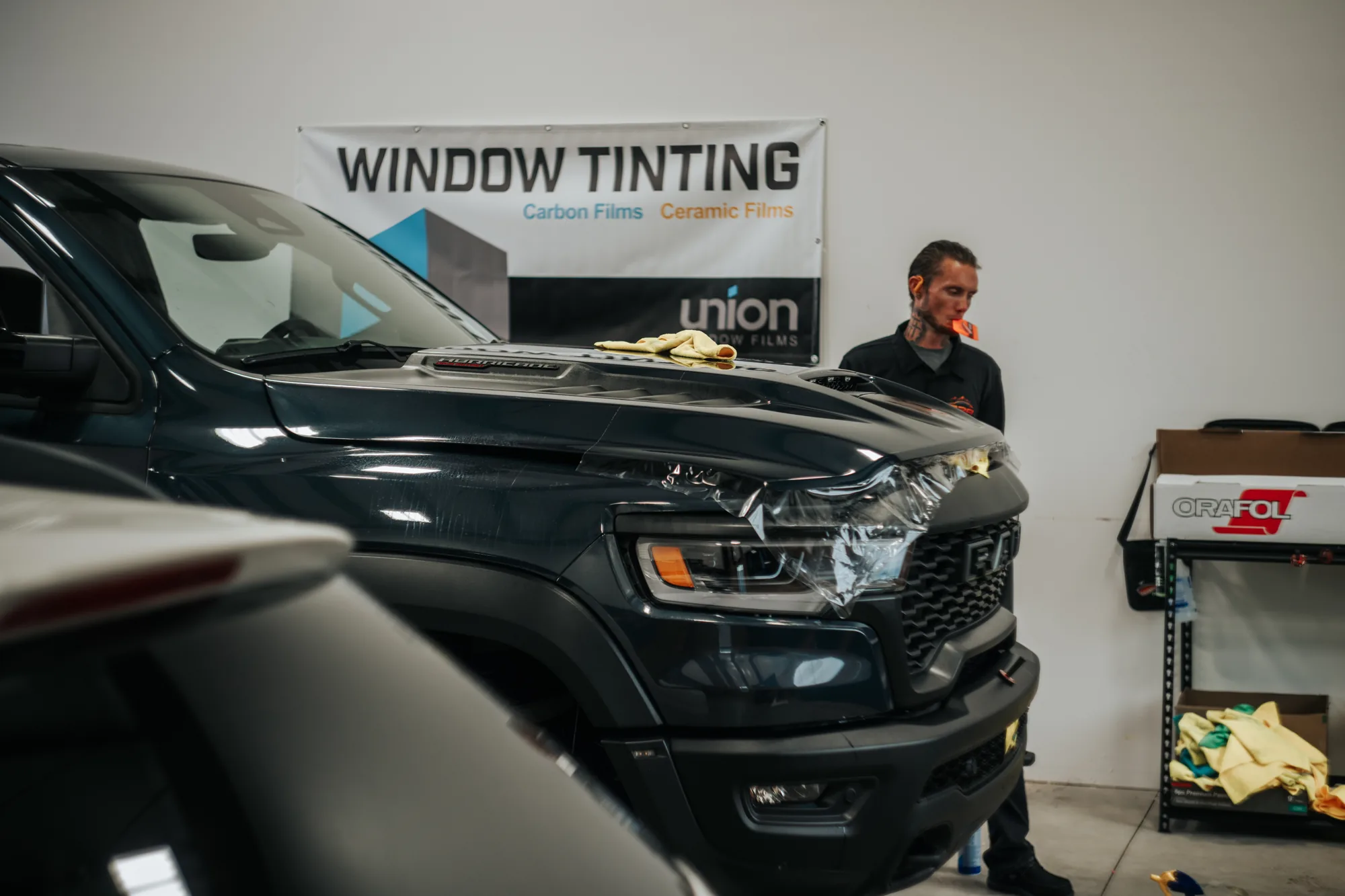
I adapted a lens from 1981 to my Sony A1. It’s the Canon FD 300mm f/2.8 L, fully manual, and it weighs five pounds. Every photo in this post came out of it.
What this lens was
Canon built it in 1981 for the people shooting sports and wildlife for a living. It has a fluorite element and UD glass in it, which is how Canon kept the color fringing down at 300mm, and it was the last 300mm f/2.8 Canon made before the EOS mount came along (Kamerastore has the specs).
This was the era when Canon was chasing Nikon. Nikon had built its own 300mm f/2.8 for the 1972 Sapporo Olympics, and for the next ten years the two companies were neck and neck on long glass. By 1988 Canon had this lens on the sidelines at the Olympics, and the camera behind it still couldn’t autofocus (Ken Rockwell tells that story). The pros were tracking athletes by hand with a five-pound lens. That still gets me.
You could buy one for a little over $2,000 in 1981. Run that through inflation and you’re somewhere between $7,000 and $8,000 today.
The quality? Still incredible.
Why I went looking for one
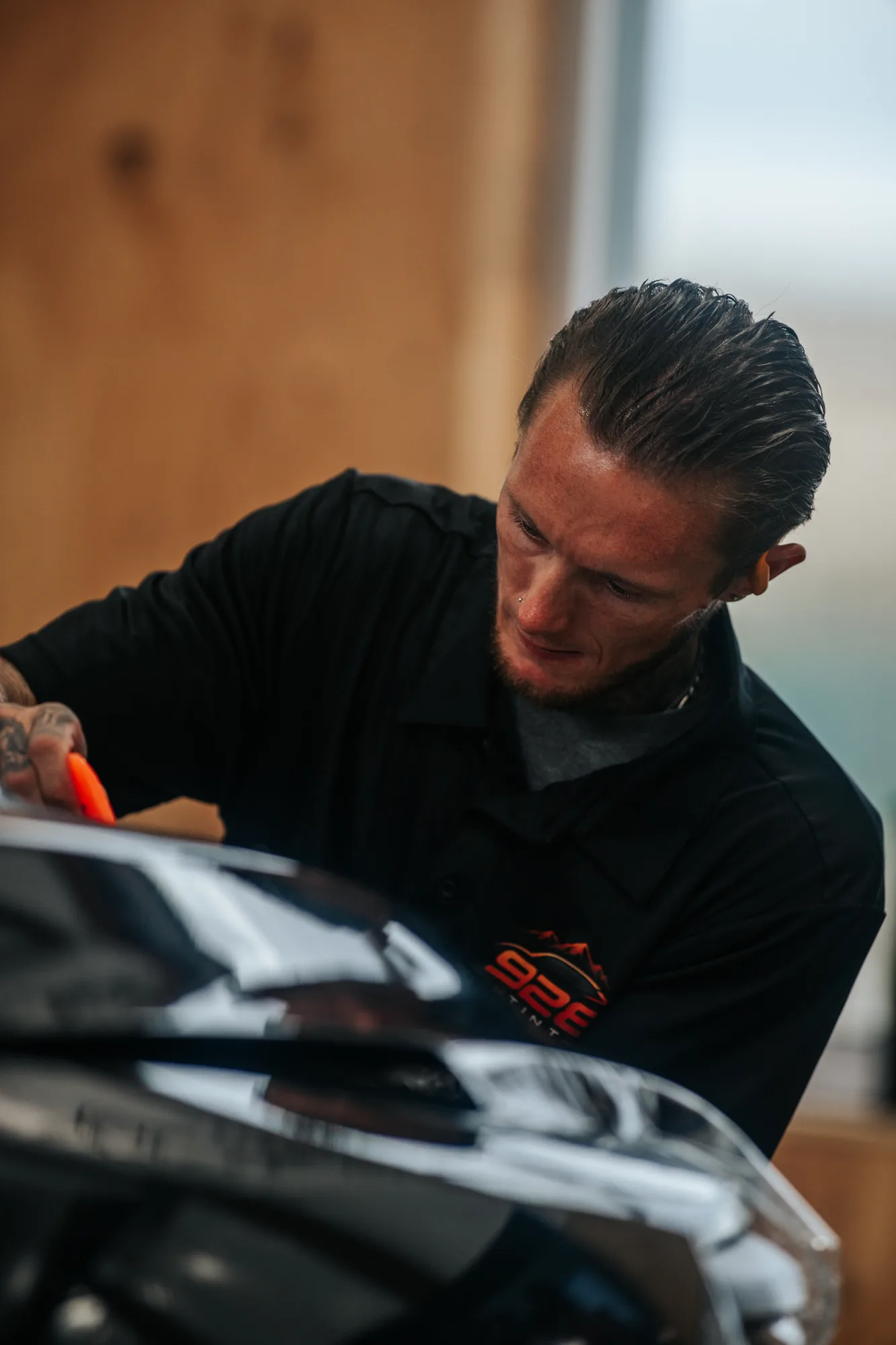
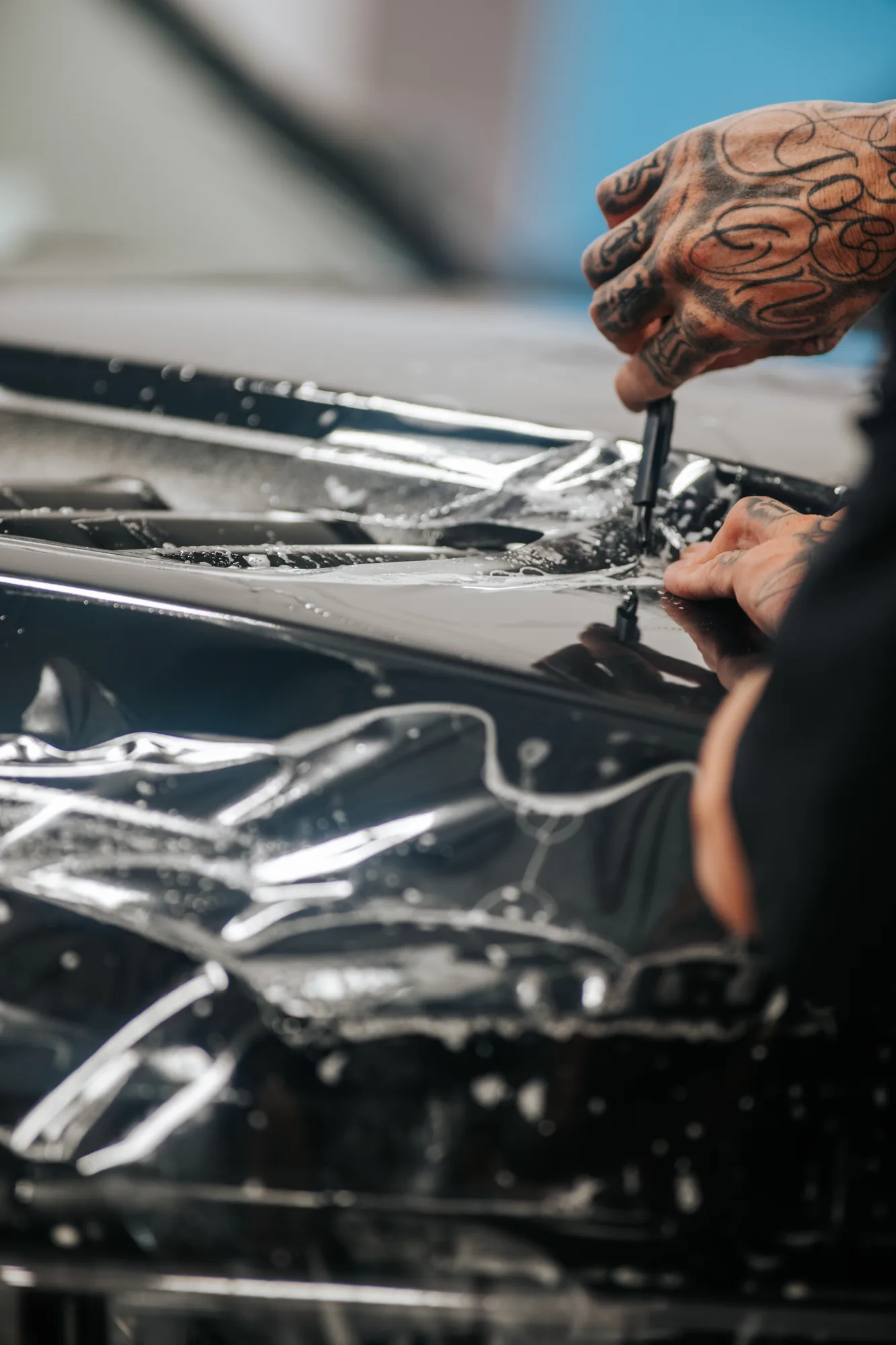
That’s what drew me to it in the first place. The optical quality, in my opinion, is brilliant. It produces a beautiful bokeh, it’s sharp, and it forces you to be mindful of the shot you’re taking. There is no autofocus to lean on. You find the focus, you hold your breath, and you take the picture.
There isn’t a lot online about this lens, and there aren’t many people pairing it with the cameras coming out today. The Sony A1 is one of Sony’s flagship bodies. Putting 1981 glass on a 2021 sensor is a strange combination, and that’s exactly why it’s fun.
What it’s like to shoot
The weight is the first thing. Five pounds on the front of a mirrorless body changes how you hold everything. You brace against something, you slow down, and you shoot fewer frames. I like that more than I expected to.
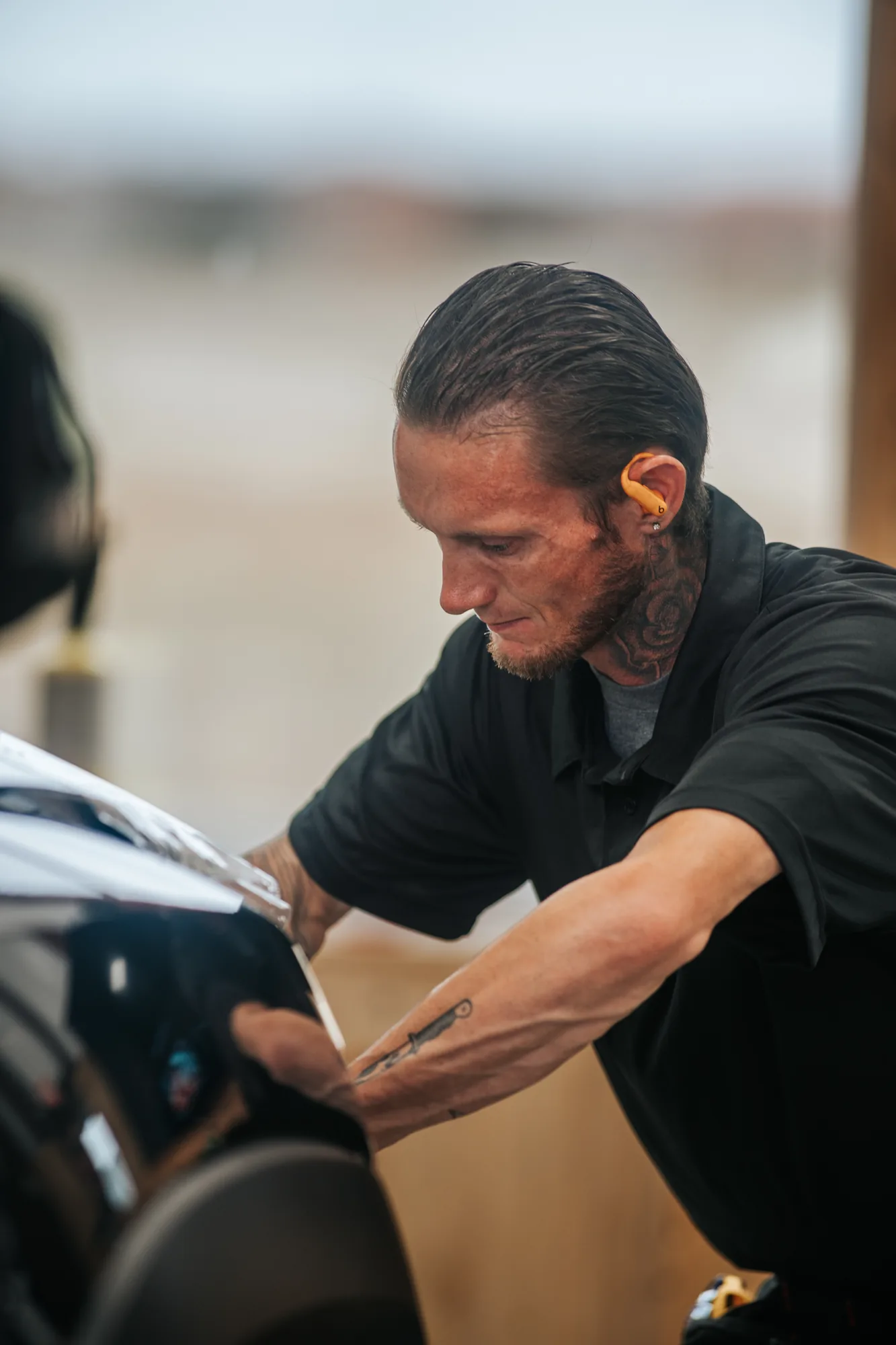
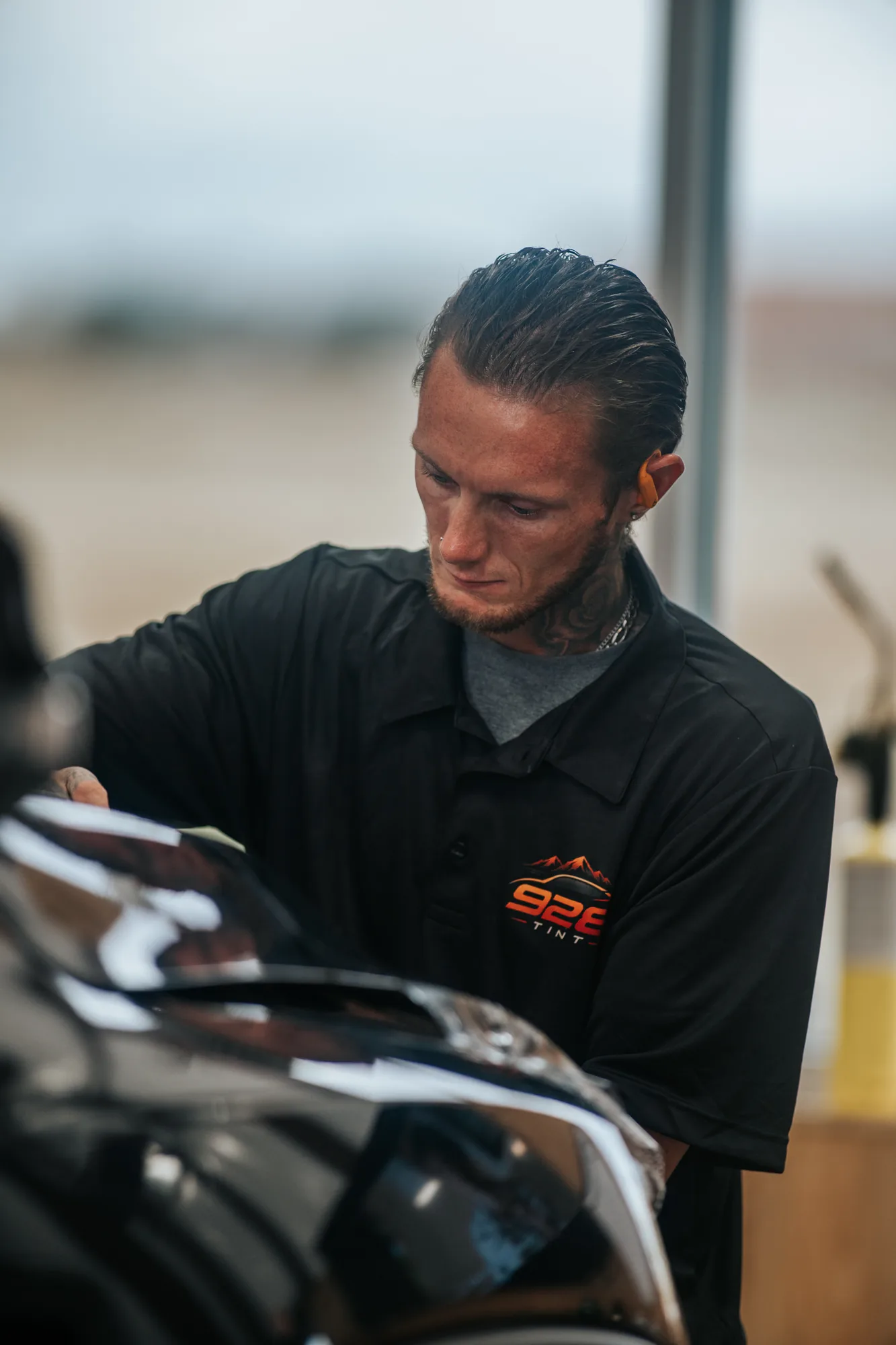
Focus is all by hand. The A1 helps a lot here, because focus peaking and the magnified view make it possible to nail a face at f/2.8 from across a shop. At 50 megapixels the sensor shows you every miss, so you learn fast.
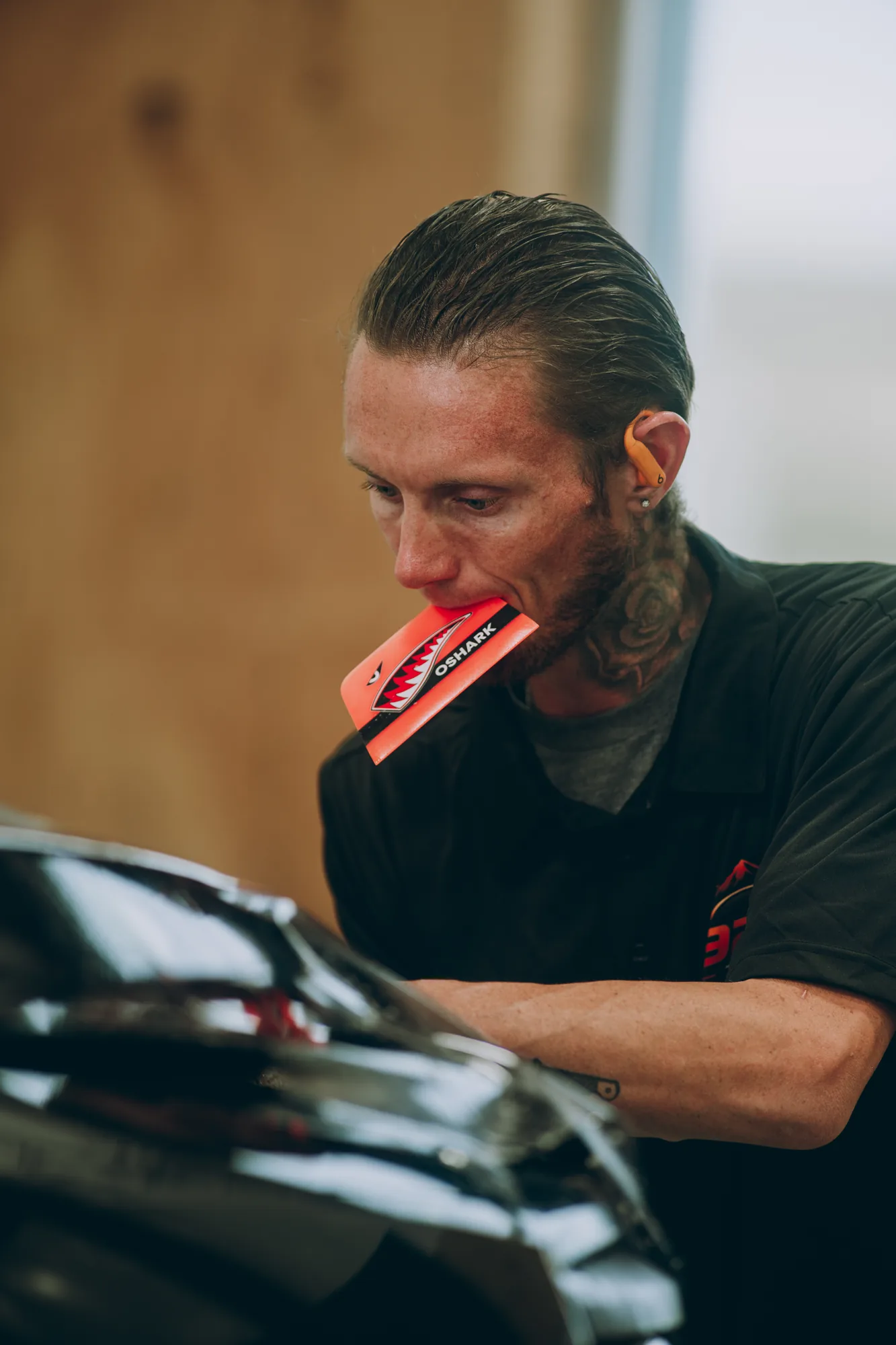
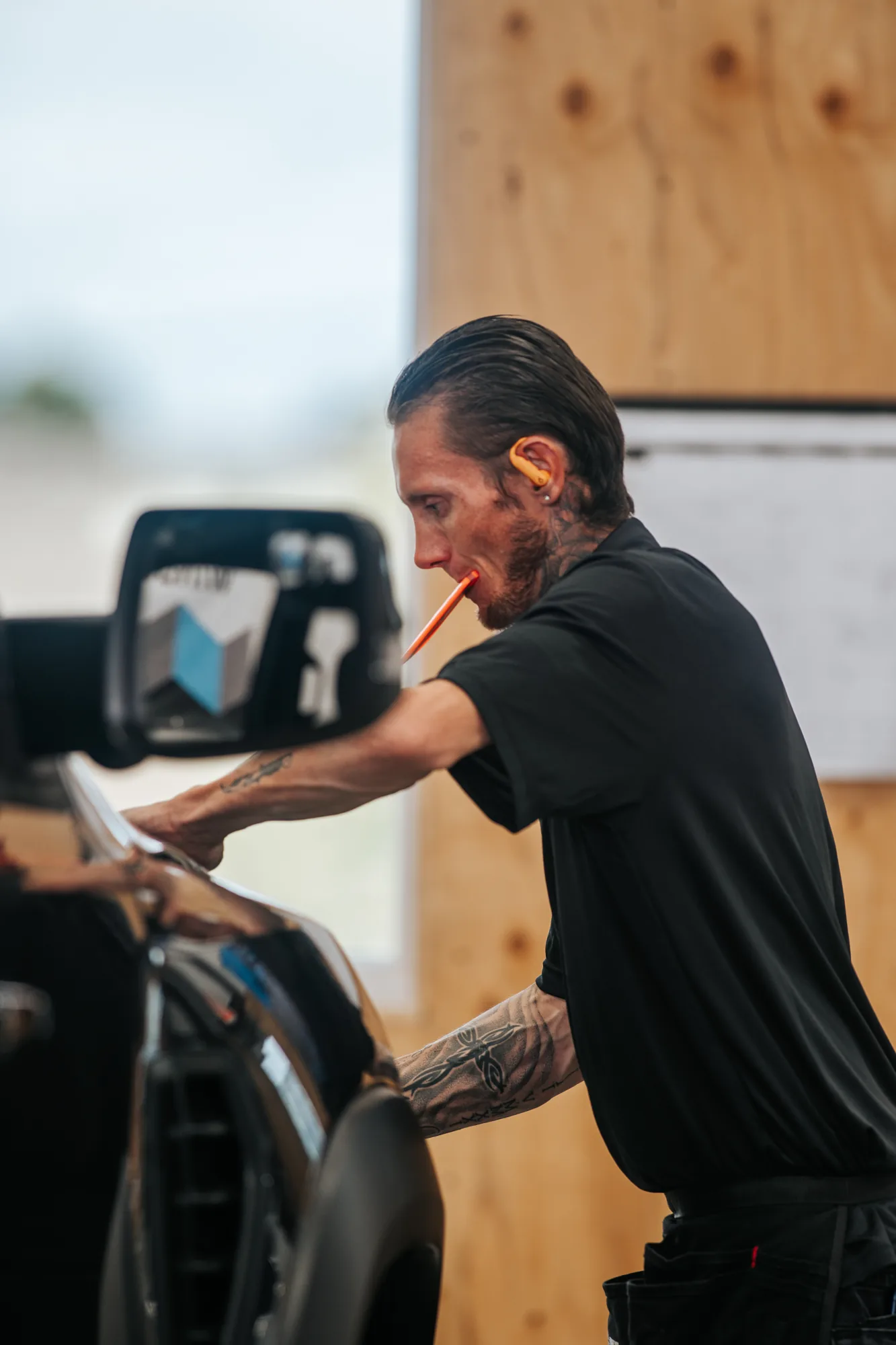
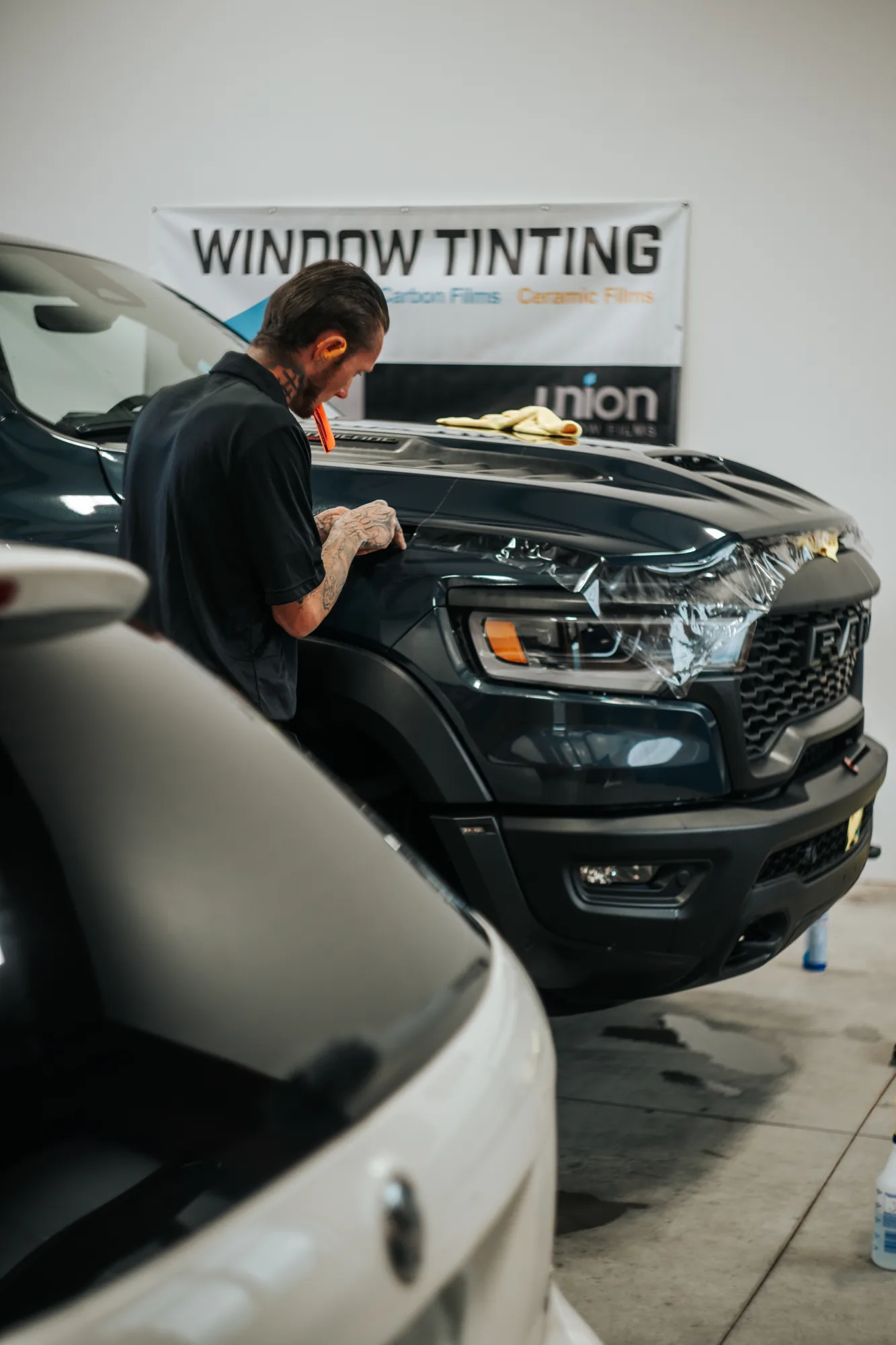
Then there’s the compression. At 300mm the background stacks up behind your subject, and the shop, the trucks, and the banner all flatten into one layered wall. That look is the whole reason to carry this thing.
A day at 928 Tint
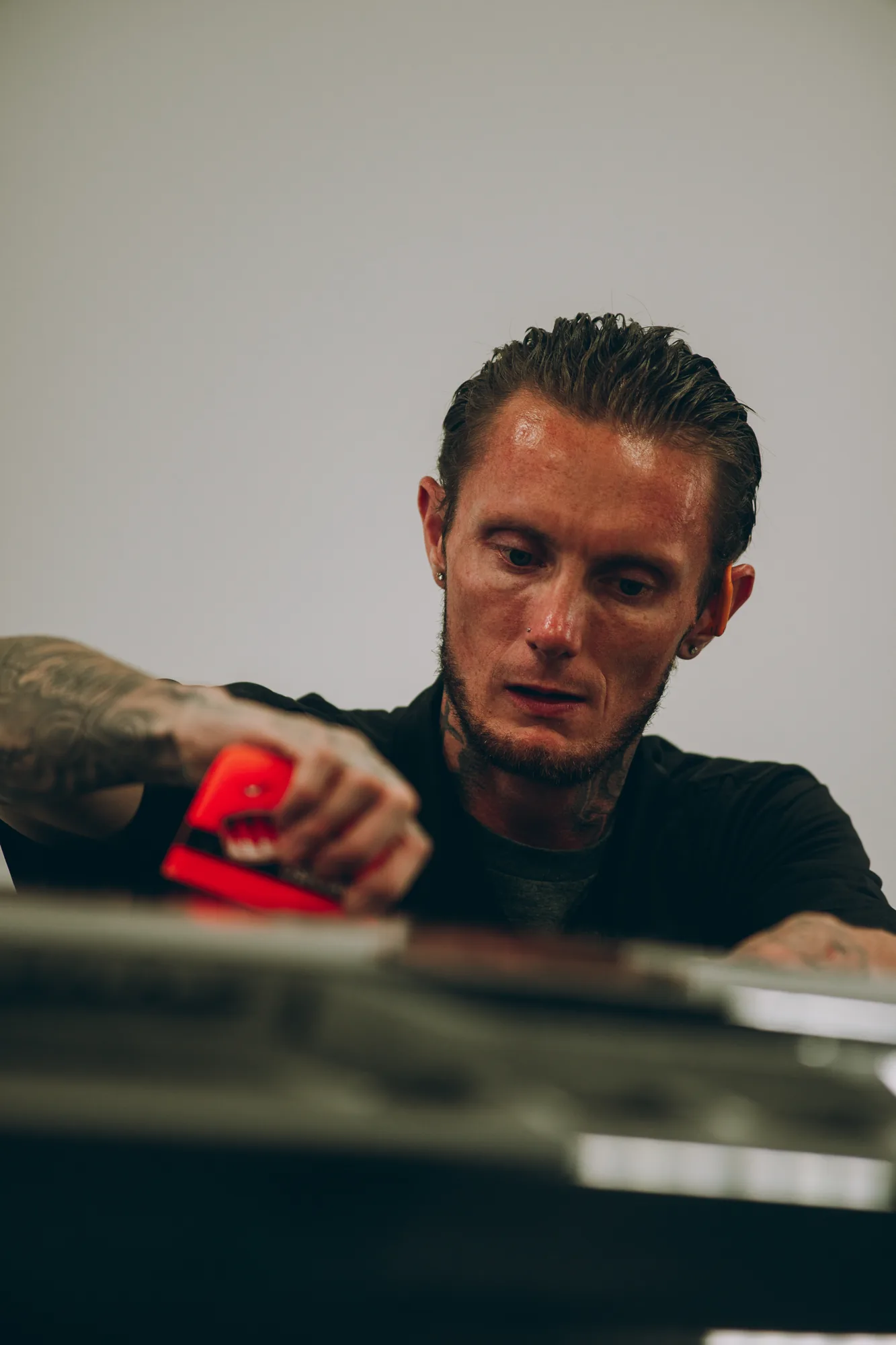
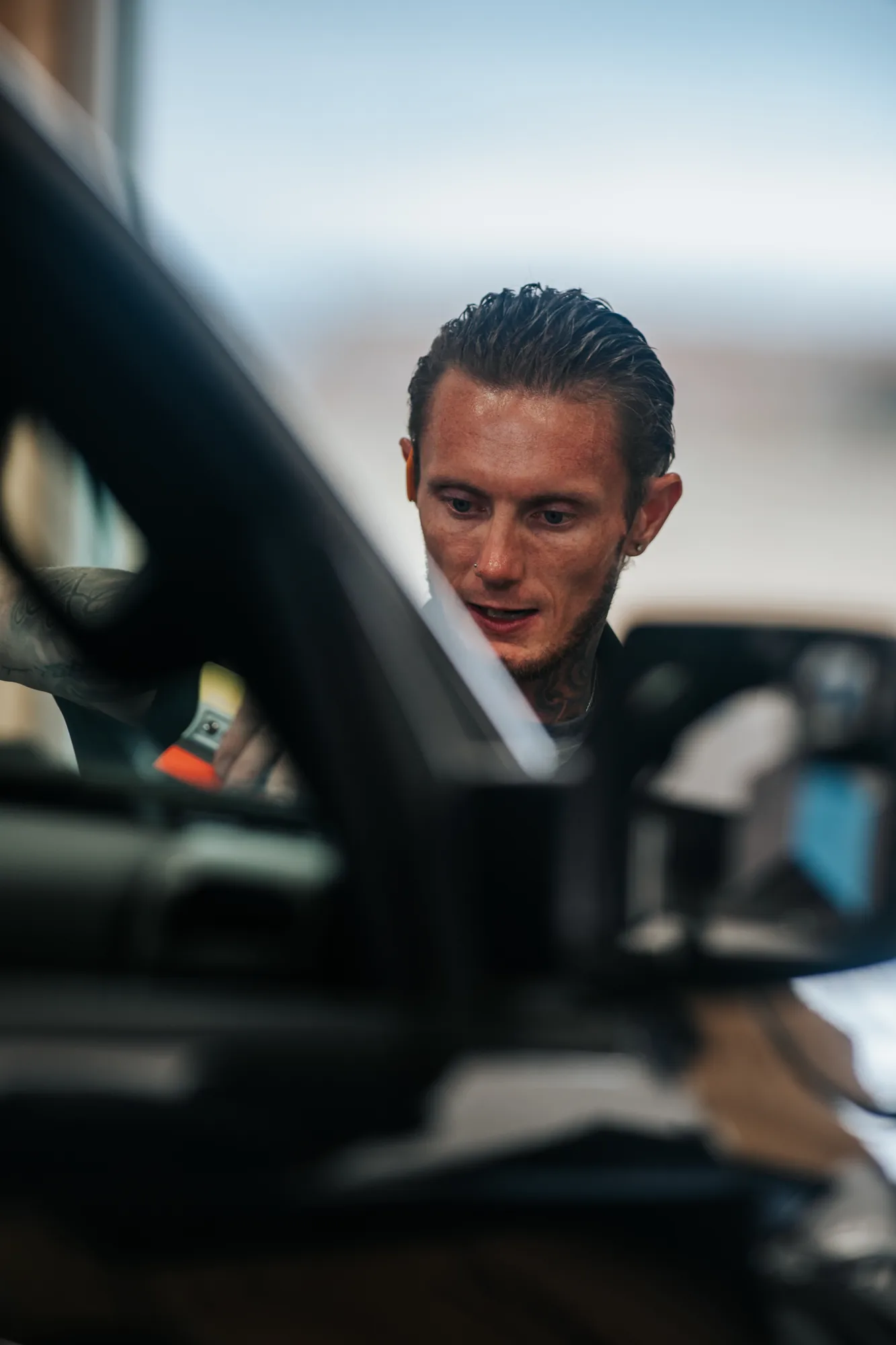
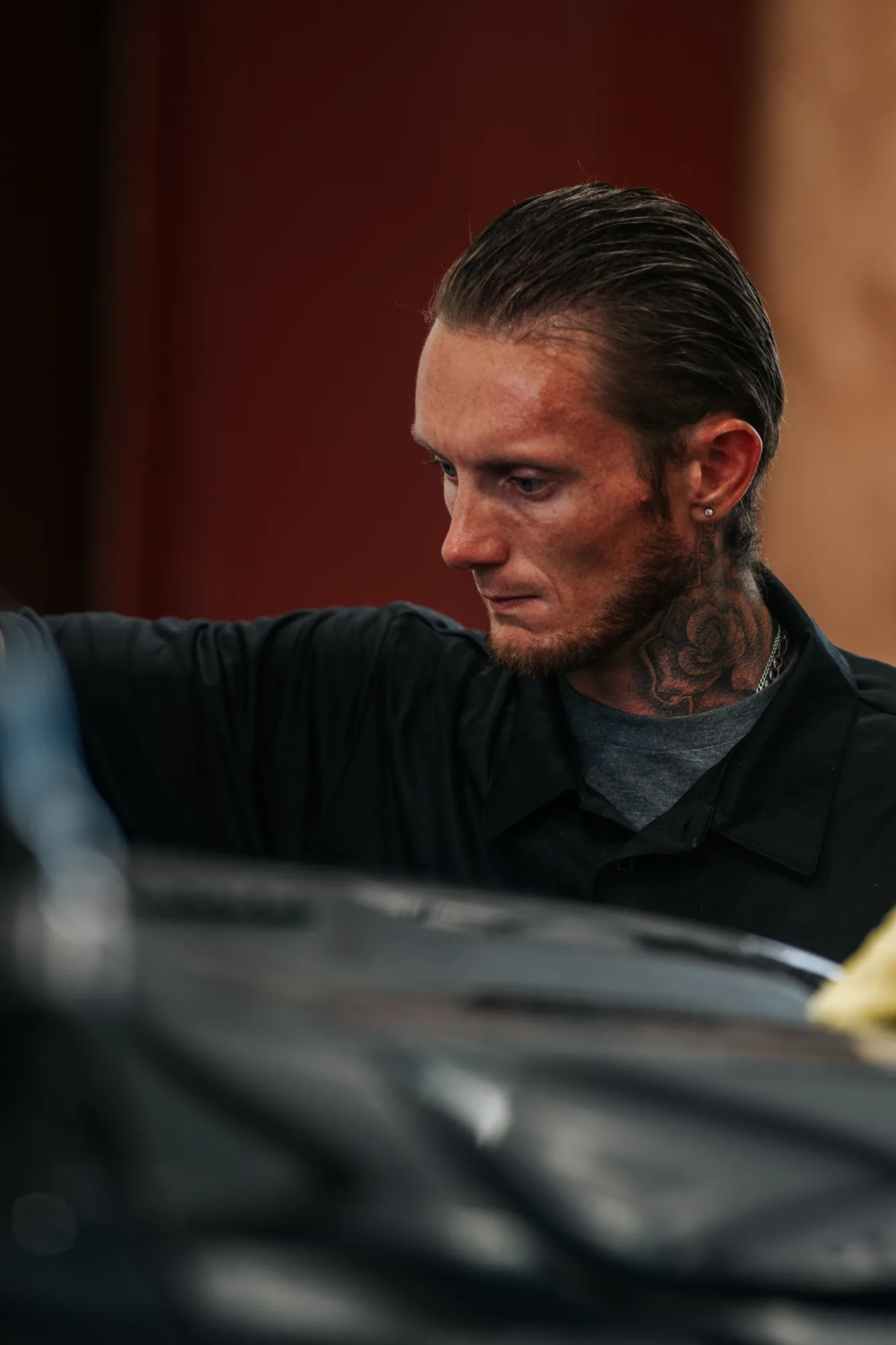
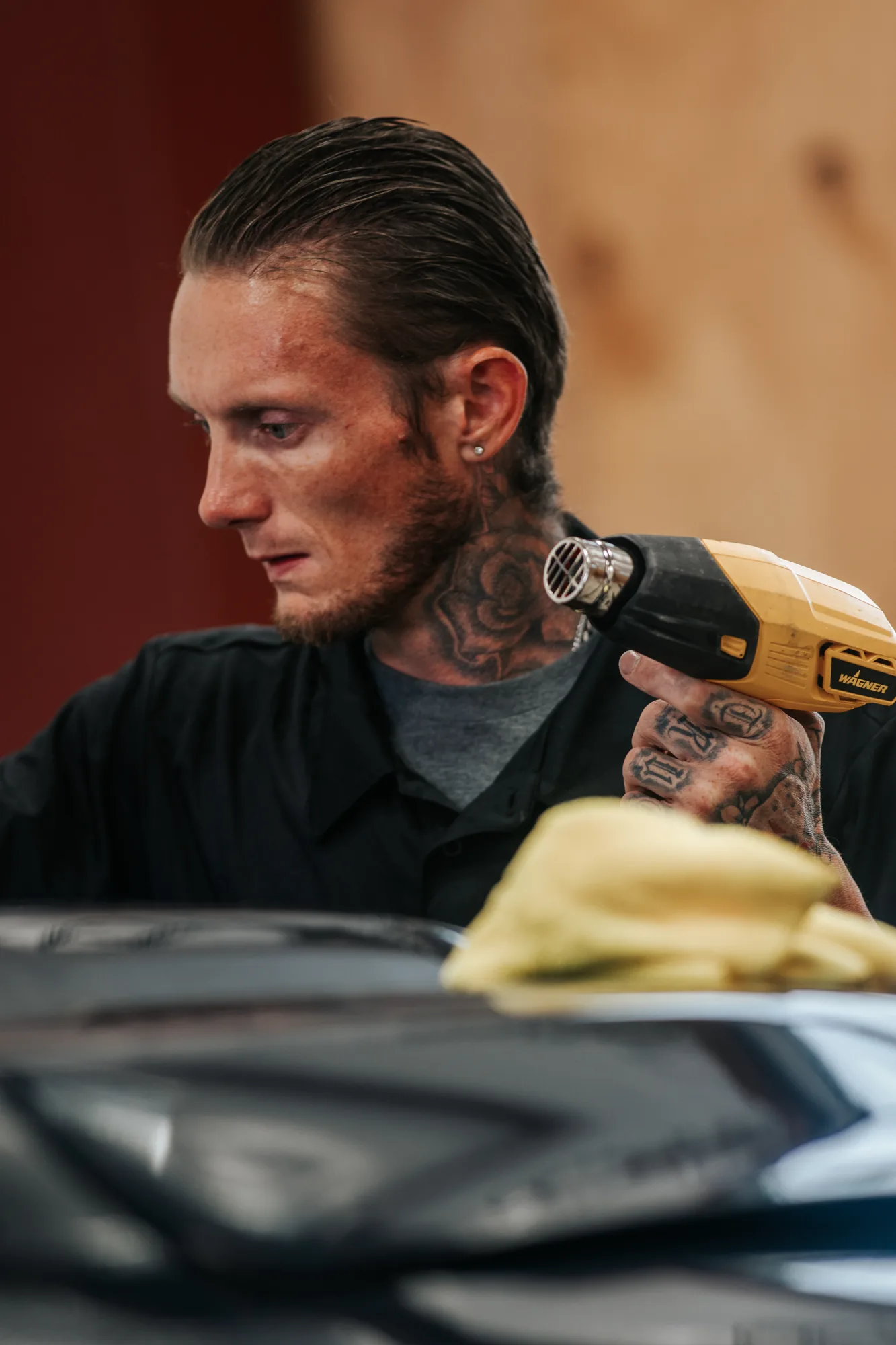
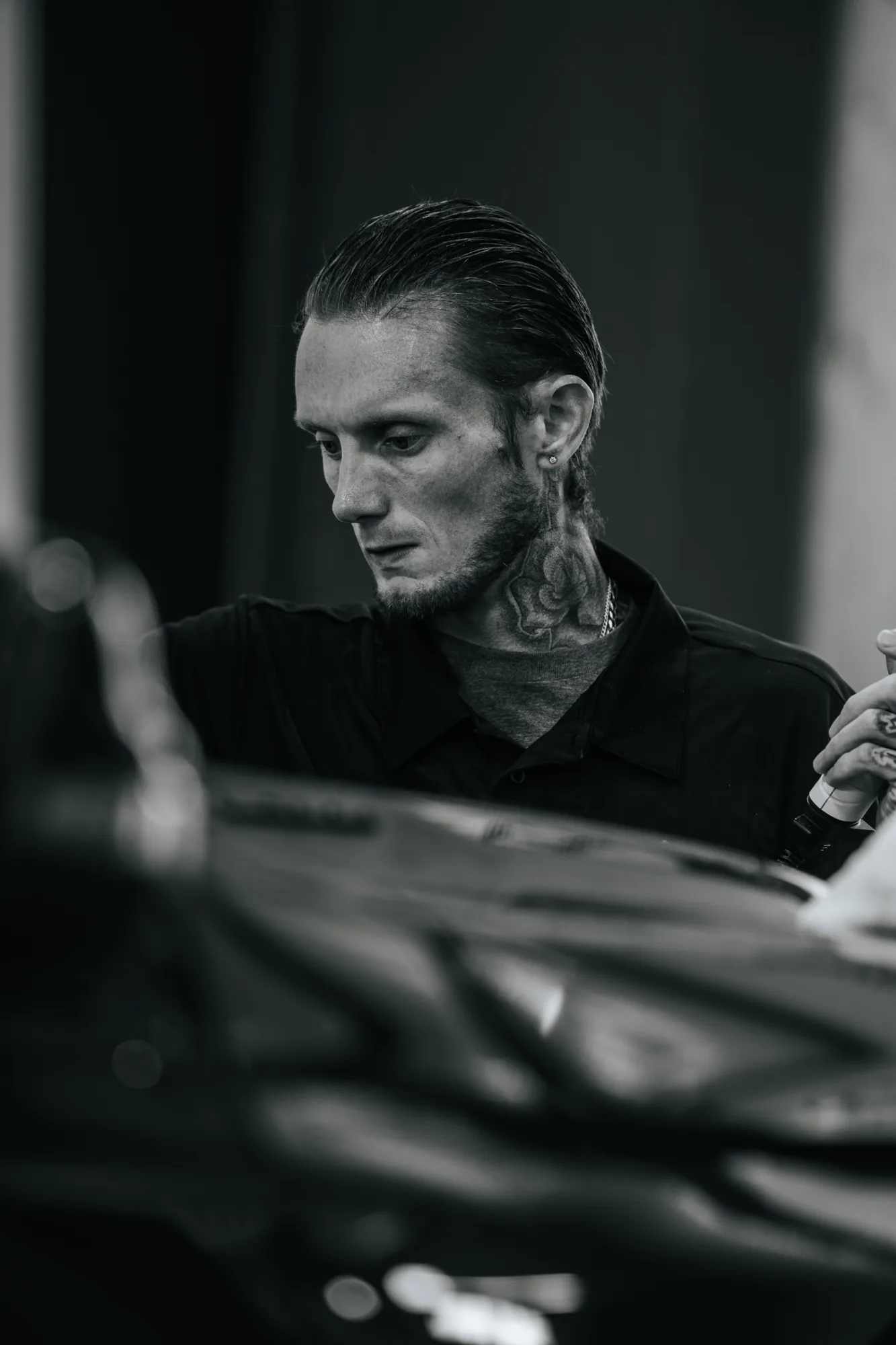
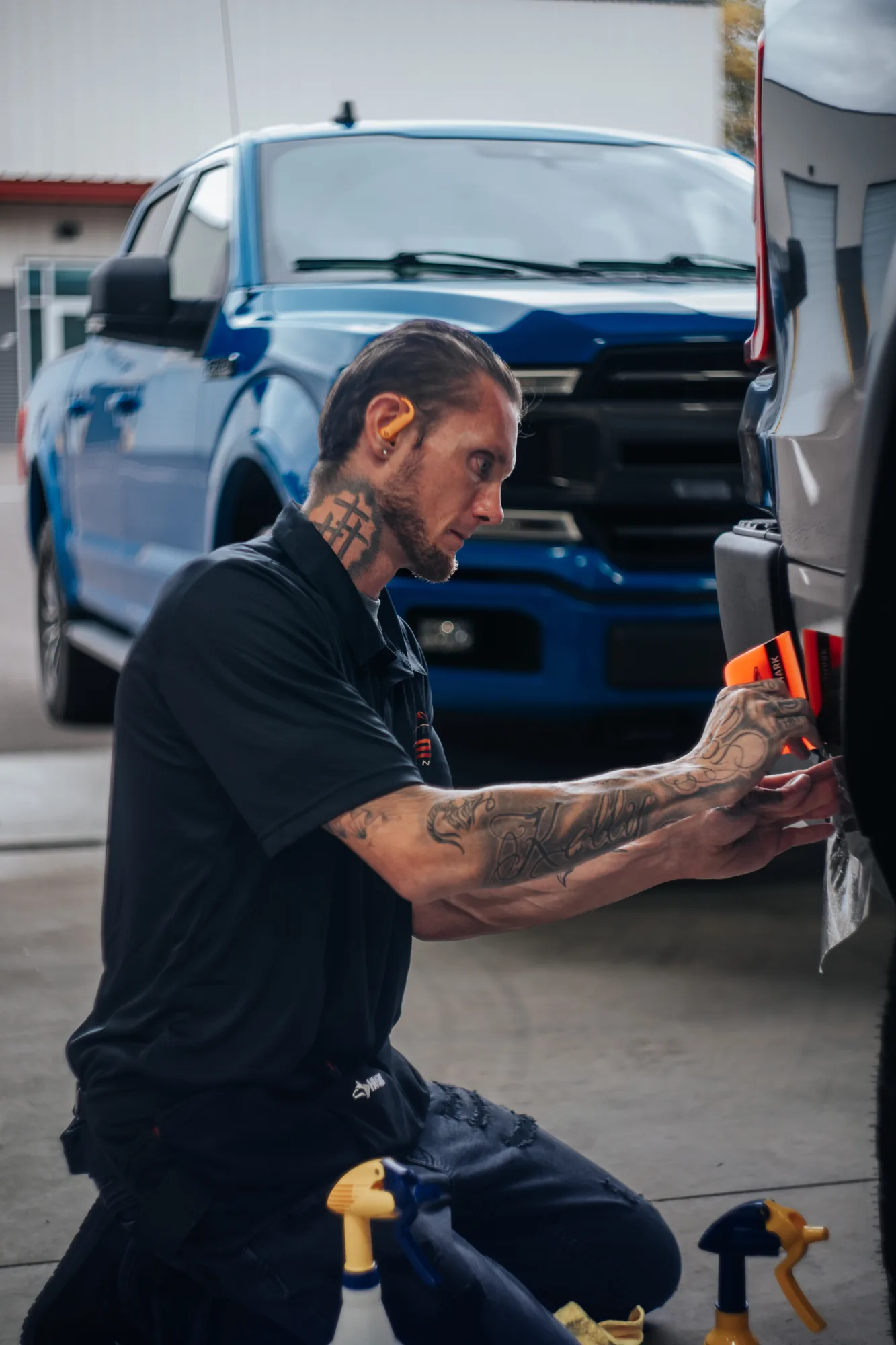
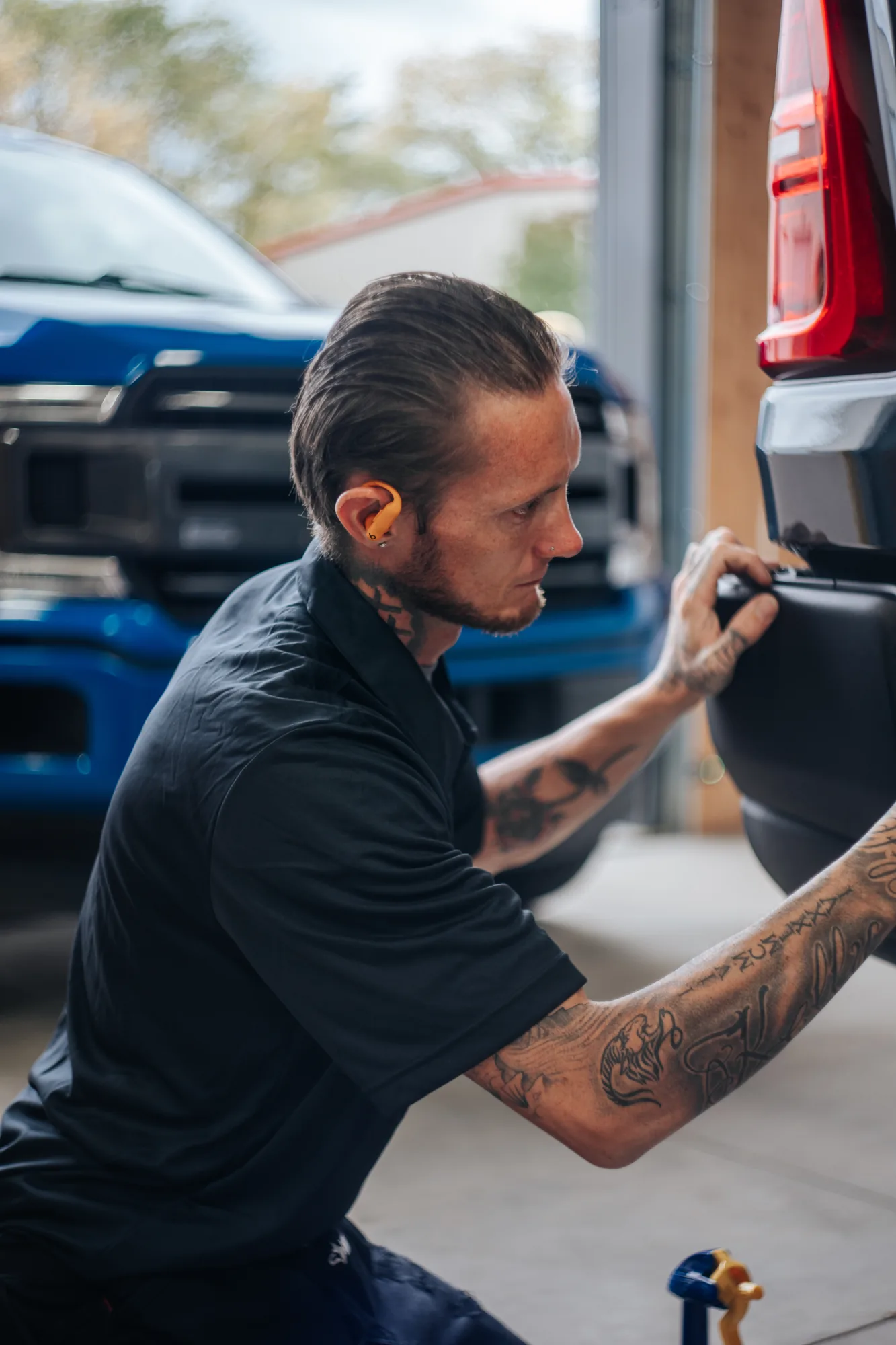
These were shot at 928 Tint, Jonny Martin’s window tint shop here in Prescott Valley. We were there making content for his business, and I brought the Canon along to see what it would do with a working day instead of a posed one.
Jonny never stopped moving, which is the hardest test for a manual lens. Every frame here was focused by hand while he worked.
Would I tell you to buy one
If you want a lens that does the work for you, no. Modern glass with autofocus is faster, lighter, and it will get you more keepers on a wedding day. I’m not swapping it onto the A1 when the vows start.
If you want a lens that makes you a better photographer for an afternoon, yes. This thing was built for the best shooters in the world at a time when the camera couldn’t help them. Picking it up puts you in their shoes for a minute. Forty-five years later, it still earns its spot in the bag.
If you’ve got a business in Prescott Valley or Prescott that needs real photos of real people at work, tell me about it. I’ll bring the right lens. Maybe this one.
See the photography work or read about photography in Prescott Valley.
Author
Tex Kelly
- gear
- photography
- sony a1
- canon fd
- prescott valley